News
June 15, 2026
S3 showcases circular solutions for Ukraine’s reconstruction at NEB Festival 2026
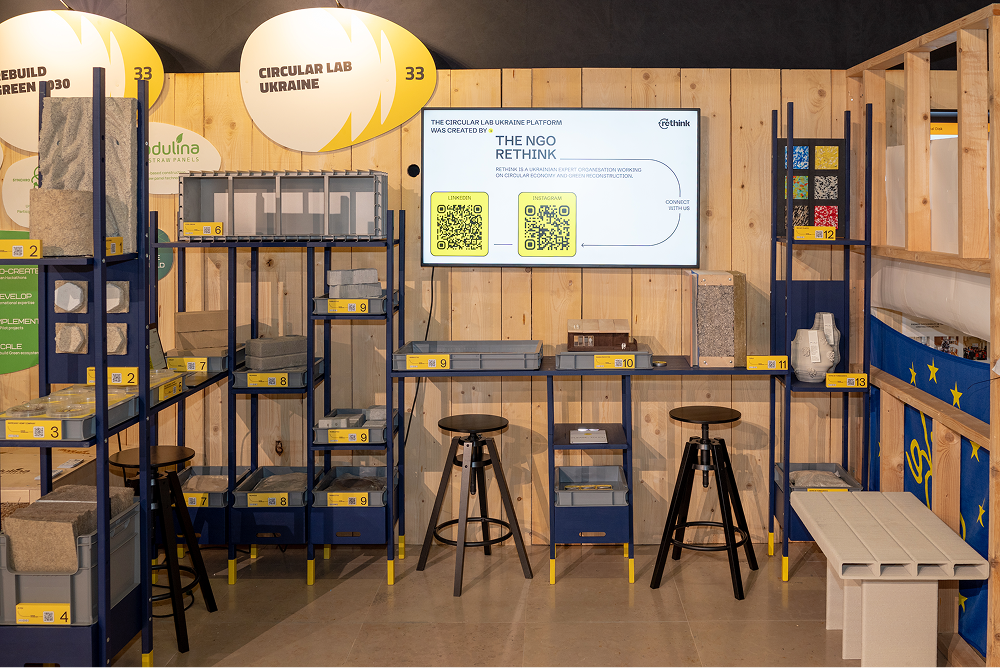
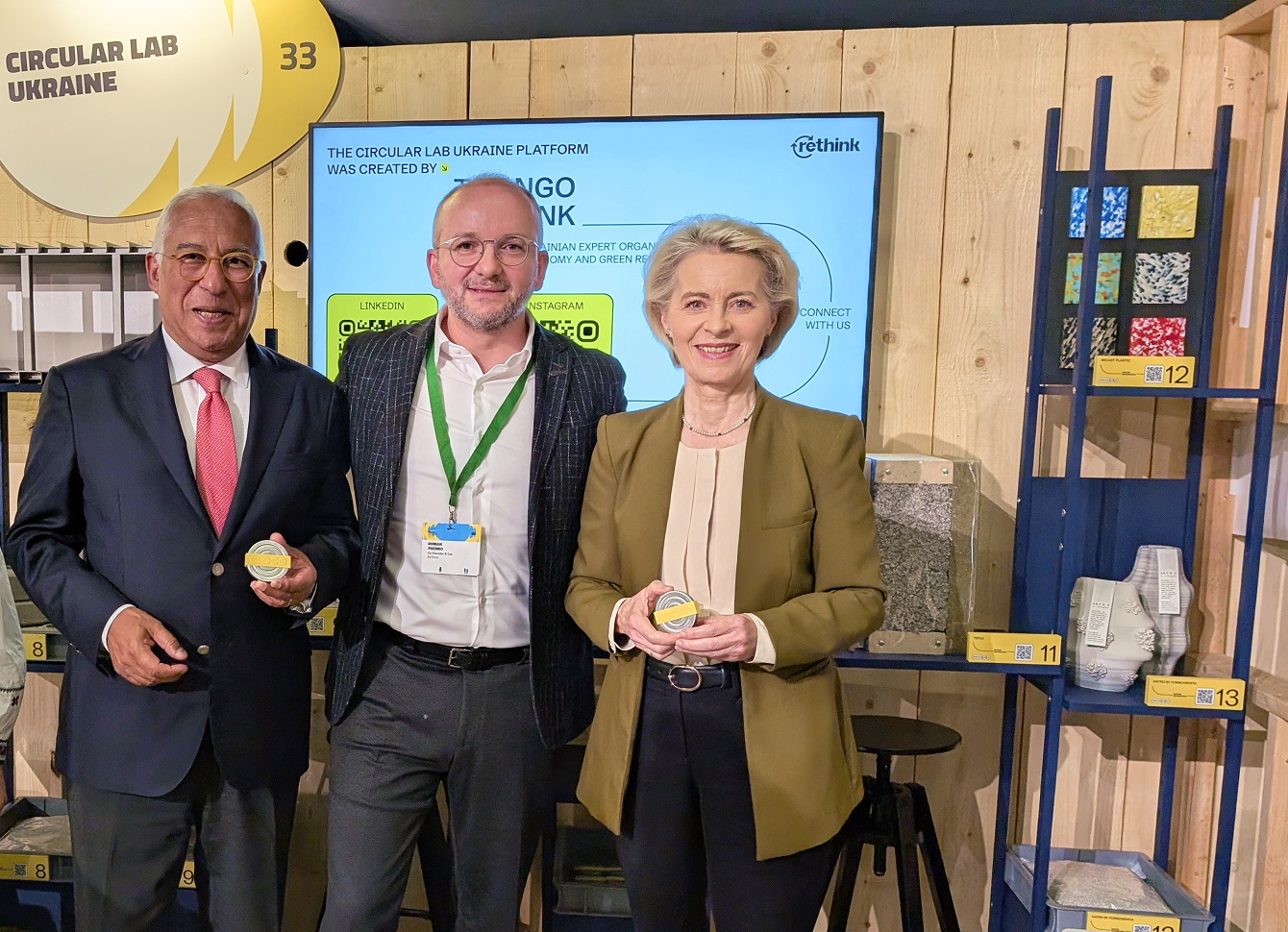
The S3 project was presented as part of the Circular Lab Ukraine exhibition, curated by ReThink
Regularly ensure no new buildings or trees are casting shadows
Et tellus congue praesent pellentesque volutpat laoreet bibendum ut congue sed libero velit sed suscipit amet mattis orci aliquet egestas nibh quis neque vulputate convallis adipiscing magna. Mattis quisque in feugiat in metus laoreet sodales lectus id augue quis pellentesque feugiat luctus malesuada laoreet bibendum nibh augue fames feugiat diam sed. Varius ut eget sollicitudin sed semper sed semper sed nunc sagittis sit at sit.
- Euismod amet rutrum ornare egestas ac nunc ullamcorper mi pretium
- Mauris aliquet faucibus iaculis dui vitae litum sus ullamco
- Semper pharetra duis purus facilisis nec pretium imperdiet varius
- Molestie eget quis viverra eget eget pulvinar a donec vitae amet
Regularly check the energy output to identify any issues
Sed massa vestibulum lectus suspendisse egestas sit. Interdum vel scelerisque non imperdiet nec euismod enim tristique purus leo fames ut malesuada iaculis nunc ridiculus purus hendrerit mauris netus nunc arcu nulla hac parturient elementum proin. Malesuada commodo mi arcu sit adipiscing turpis nullam dignissim phasellus cras sagittis et sit blandit vestibulum vitae eget nulla vel dictum elementum in feugiat vel volutpat libero porta sed.

Have a professional periodically inspect and service the system
Nibh tellus arcu aliquam in pellentesque ultricies non nisi suspendisse laoreet est felis placerat bibendum nisl fermentum ut et eget lacus lectus aliquet egestas nullam suspendisse vulputate dictum tempus ullamcorper mattis ultrices suscipit ipsum vitae arcu est volutpat suscipit dolor gravida netus massa lacinia maecenas dictum facilisis eu.
- Ut est dui porttitor vitae diam cras faucibus urna diam proin ultrices
- Mauris aliquet faucibus iaculis dui vitae ullamco
- Sapien tempus nec scelerisque praesent mattis vitae commodo
- Justo at dictum fames condimentum nisl tellus mauris fermentum
Be cautious not to put stress on the panels
Nibh tellus arcu aliquam in pellentesque ultricies non nisi suspendisse laoreet est felis placerat bibendum nisl fermentum ut et eget lacus lectus aliquet egestas nullam suspendisse vulputate dictum tempus ullamcorper mattis ultrices suscipit ipsum vitae arcu est volutpat suscipit dolor gravida netus massa lacinia maecenas ictum facilisis eu.
“At scelerisque elementum vitae sed et posuere adipiscing est pulvinar id proin eget posuere odio dictumst mi interdum”
Prevent birds, rodents, and insects from nesting under panels
Sit nulla nec vitae odio orci phasellus metus diam leo est nisi morbi arcu vitae urna sit platea ligula non quis non aliquam in posuere mi egestas nunc ac vitae sed nunc auctor justo orci id ut neque ac nec. In quam eget volutpat urna consequat sit morbi tristique lobortis urna convallis lectus ac.
Follow all guidelines to maintain the warranty validity
Praesent magna turpis tellus nisl tortor est nisl nulla neque sed nisi enim cras in vitae aliquam. Posuere ultrices hac consectetur nulla odio at vitae egestas dis vestibulum risus amet viverra tortor tincidunt nascetur platea ultricies fermentum nibh nulla in lorem lectus adipiscing pretium sit condimentum nullam in eu in lorem cras proin.
From 9 to 13 June, Brussels hosted the New European Bauhaus Festival 2026, one of Europe’s key events dedicated to sustainable construction and innovative solutions for the future of cities and communities.
The S3 initiative brings together researchers, engineers, and partners from Ukraine, the United Kingdom, and the Netherlands. Their goal is to develop practical solutions for reusing concrete debris from buildings and infrastructure damaged or destroyed by the war. The project also explores how circular economy principles can be integrated into Ukraine’s reconstruction.
At the core of the project is the processing and reuse of concrete from war-related debris. Once processed and crushed, the material can be used as a secondary raw material for producing new construction materials. This approach helps return valuable materials to the production cycle while reducing demand for primary raw materials.
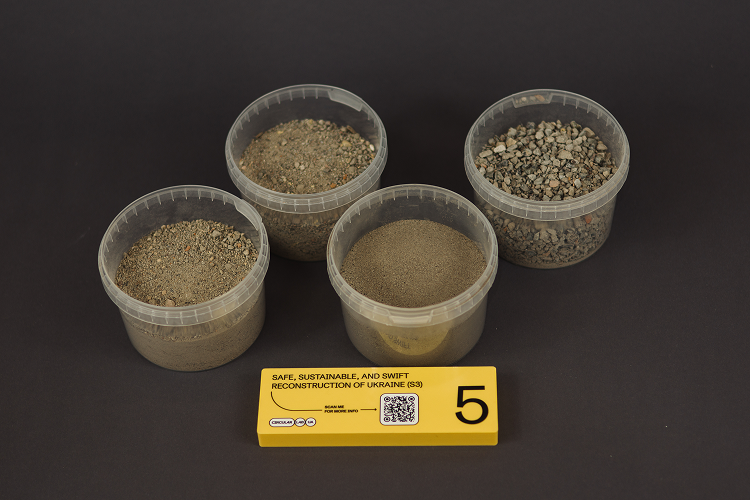
At the Circular Lab Ukraine stand, the S3 exhibition showcased concrete materials at different stages of processing, from large fragments of concrete debris to fine fractions and concrete powder generated during processing. Visitors could see the material’s entire journey, from debris recovered from destroyed structures to a potential resource for producing new construction materials.
The project focuses on developing technologies that enable concrete from buildings damaged or destroyed as a result of russia’s full-scale war against Ukraine to be reused. Before processing begins, the material is checked for hazardous substances, including asbestos, while its composition and properties are analysed using portable equipment. The concrete debris is then sorted and crushed for further processing.
One of the key solutions being developed by the project team is a mobile concrete processing platform. The system can be deployed directly near demolition or reconstruction sites. Using separation technology, the processed concrete is separated into three fractions: coarse aggregate, fine aggregate, and cement powder. These components can then be reused in the production of new construction materials.
The solutions presented at the festival demonstrate how materials recovered from destroyed buildings can be returned to the production cycle and become a resource for reconstruction. This approach can help reduce the volume of war-related debris, decrease demand for primary raw materials, and integrate circular economy principles into the reconstruction of Ukrainian cities and communities.
From 9 to 13 June, Brussels hosted the New European Bauhaus Festival 2026, one of Europe’s key events dedicated to sustainable construction and innovative solutions for the future of cities and communities.
The S3 initiative brings together researchers, engineers, and partners from Ukraine, the United Kingdom, and the Netherlands. Their goal is to develop practical solutions for reusing concrete debris from buildings and infrastructure damaged or destroyed by the war. The project also explores how circular economy principles can be integrated into Ukraine’s reconstruction.
At the core of the project is the processing and reuse of concrete from war-related debris. Once processed and crushed, the material can be used as a secondary raw material for producing new construction materials. This approach helps return valuable materials to the production cycle while reducing demand for primary raw materials.
At the Circular Lab Ukraine stand, the S3 exhibition showcased concrete materials at different stages of processing, from large fragments of concrete debris to fine fractions and concrete powder generated during processing. Visitors could see the material’s entire journey, from debris recovered from destroyed structures to a potential resource for producing new construction materials.
The project focuses on developing technologies that enable concrete from buildings damaged or destroyed as a result of russia’s full-scale war against Ukraine to be reused. Before processing begins, the material is checked for hazardous substances, including asbestos, while its composition and properties are analysed using portable equipment. The concrete debris is then sorted and crushed for further processing.
One of the key solutions being developed by the project team is a mobile concrete processing platform. The system can be deployed directly near demolition or reconstruction sites. Using separation technology, the processed concrete is separated into three fractions: coarse aggregate, fine aggregate, and cement powder. These components can then be reused in the production of new construction materials.
The solutions presented at the festival demonstrate how materials recovered from destroyed buildings can be returned to the production cycle and become a resource for reconstruction. This approach can help reduce the volume of war-related debris, decrease demand for primary raw materials, and integrate circular economy principles into the reconstruction of Ukrainian cities and communities.
Event Schedule
Lorem ipsum dolor sit amet consectetur. Sit ut gravida aenean potenti. Metus in eu vel morbi dui nunc tellus. Non a massa maecenas massa.