News
October 5, 2026
S3 partners visit research and production facilities in the Netherlands
Towards the end of the S3 project, partners travelled to the Netherlands to share their experience of circular approaches to reconstruction
Regularly ensure no new buildings or trees are casting shadows
Et tellus congue praesent pellentesque volutpat laoreet bibendum ut congue sed libero velit sed suscipit amet mattis orci aliquet egestas nibh quis neque vulputate convallis adipiscing magna. Mattis quisque in feugiat in metus laoreet sodales lectus id augue quis pellentesque feugiat luctus malesuada laoreet bibendum nibh augue fames feugiat diam sed. Varius ut eget sollicitudin sed semper sed semper sed nunc sagittis sit at sit.
- Euismod amet rutrum ornare egestas ac nunc ullamcorper mi pretium
- Mauris aliquet faucibus iaculis dui vitae litum sus ullamco
- Semper pharetra duis purus facilisis nec pretium imperdiet varius
- Molestie eget quis viverra eget eget pulvinar a donec vitae amet
Regularly check the energy output to identify any issues
Sed massa vestibulum lectus suspendisse egestas sit. Interdum vel scelerisque non imperdiet nec euismod enim tristique purus leo fames ut malesuada iaculis nunc ridiculus purus hendrerit mauris netus nunc arcu nulla hac parturient elementum proin. Malesuada commodo mi arcu sit adipiscing turpis nullam dignissim phasellus cras sagittis et sit blandit vestibulum vitae eget nulla vel dictum elementum in feugiat vel volutpat libero porta sed.

Have a professional periodically inspect and service the system
Nibh tellus arcu aliquam in pellentesque ultricies non nisi suspendisse laoreet est felis placerat bibendum nisl fermentum ut et eget lacus lectus aliquet egestas nullam suspendisse vulputate dictum tempus ullamcorper mattis ultrices suscipit ipsum vitae arcu est volutpat suscipit dolor gravida netus massa lacinia maecenas dictum facilisis eu.
- Ut est dui porttitor vitae diam cras faucibus urna diam proin ultrices
- Mauris aliquet faucibus iaculis dui vitae ullamco
- Sapien tempus nec scelerisque praesent mattis vitae commodo
- Justo at dictum fames condimentum nisl tellus mauris fermentum
Be cautious not to put stress on the panels
Nibh tellus arcu aliquam in pellentesque ultricies non nisi suspendisse laoreet est felis placerat bibendum nisl fermentum ut et eget lacus lectus aliquet egestas nullam suspendisse vulputate dictum tempus ullamcorper mattis ultrices suscipit ipsum vitae arcu est volutpat suscipit dolor gravida netus massa lacinia maecenas ictum facilisis eu.
“At scelerisque elementum vitae sed et posuere adipiscing est pulvinar id proin eget posuere odio dictumst mi interdum”
Prevent birds, rodents, and insects from nesting under panels
Sit nulla nec vitae odio orci phasellus metus diam leo est nisi morbi arcu vitae urna sit platea ligula non quis non aliquam in posuere mi egestas nunc ac vitae sed nunc auctor justo orci id ut neque ac nec. In quam eget volutpat urna consequat sit morbi tristique lobortis urna convallis lectus ac.
Follow all guidelines to maintain the warranty validity
Praesent magna turpis tellus nisl tortor est nisl nulla neque sed nisi enim cras in vitae aliquam. Posuere ultrices hac consectetur nulla odio at vitae egestas dis vestibulum risus amet viverra tortor tincidunt nascetur platea ultricies fermentum nibh nulla in lorem lectus adipiscing pretium sit condimentum nullam in eu in lorem cras proin.
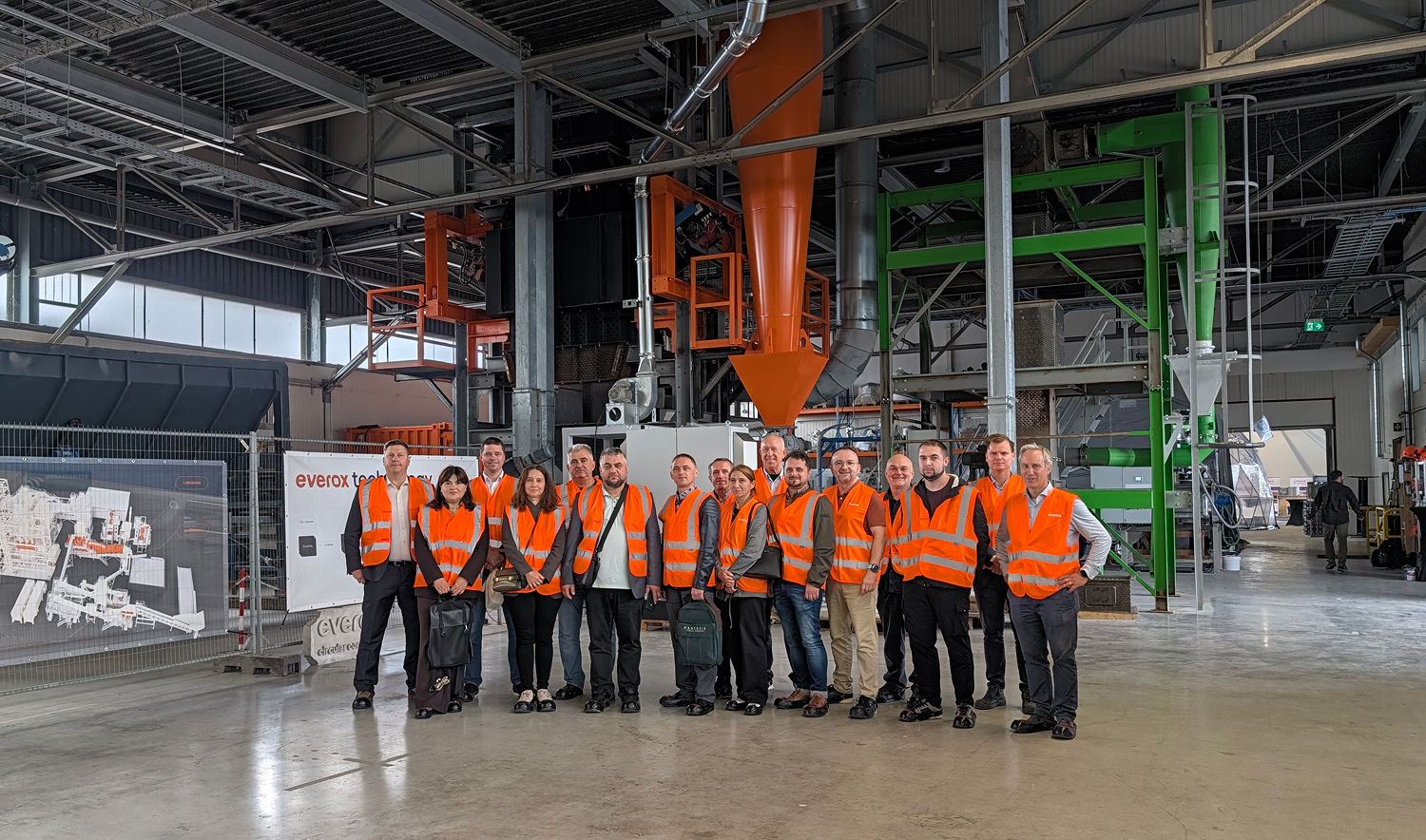
In Eindhoven, the team visited laboratories at Eindhoven University of Technology to learn about research into the reuse of construction materials. In Rotterdam, participants visited Everox to see its concrete recycling equipment and learn how it works.
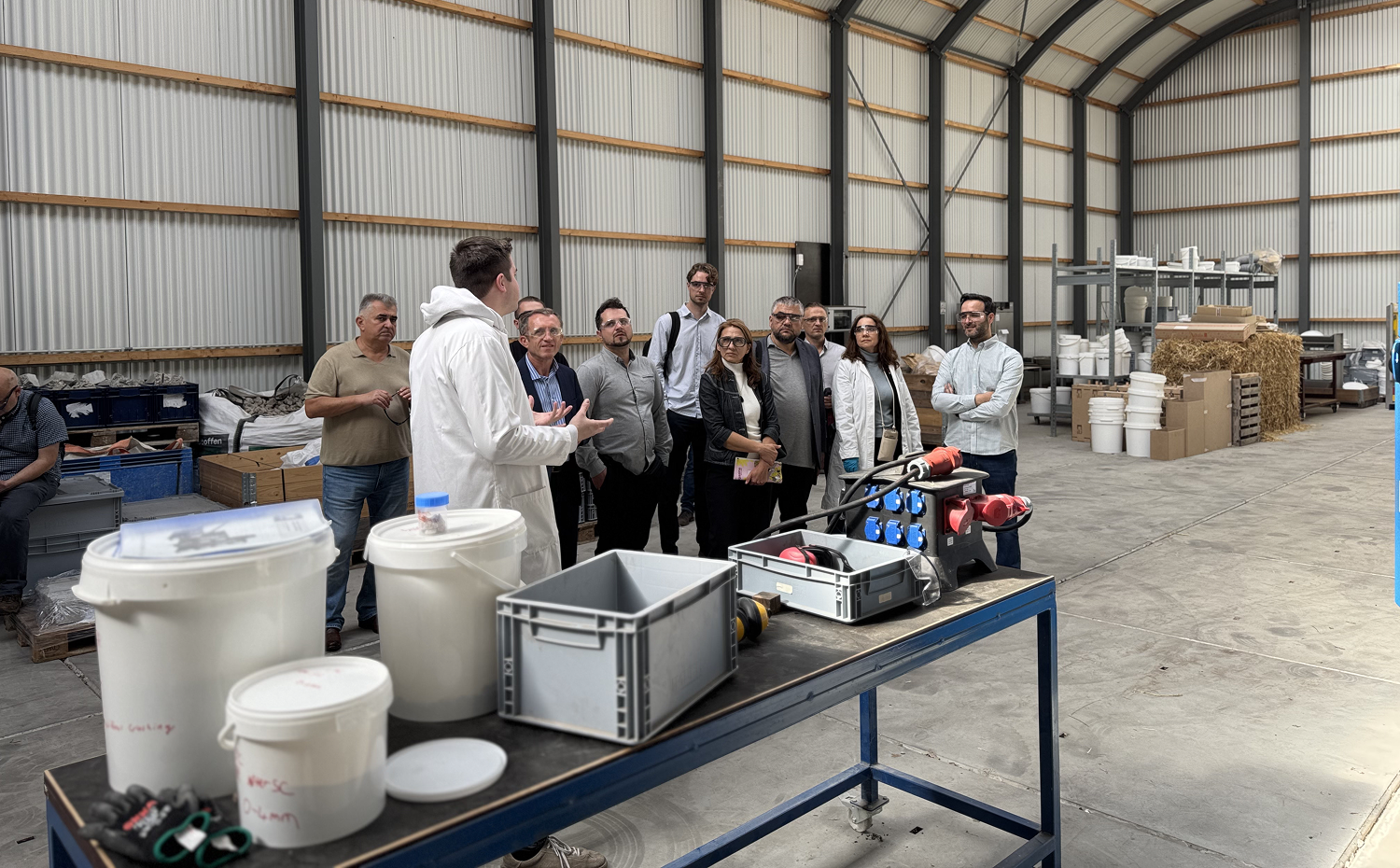
At the university, partners toured a laboratory where researchers study construction materials and their potential for reuse. They were shown equipment used to crush, process and analyse concrete, and learned how researchers assess the resulting fractions. Understanding the properties of each fraction helps determine where recovered materials can be used in new construction products.
In Rotterdam, partners visited Everox, the Dutch S3 partner developing concrete recycling technologies. They saw its pilot plant and how the different pieces of equipment work together throughout the process. Partners were also shown laboratory equipment used to analyse and test materials at different stages of recycling.
Particular attention was given to equipment previously used in pilot trials in Ukraine. It had been supplied to Ukrainian partners to process a batch of concrete from buildings destroyed during Russia’s full-scale invasion. After the trials, the equipment was returned to the Netherlands, where some components underwent maintenance. The experience in Ukraine highlighted the need to adapt the equipment to different operating conditions, including low temperatures and interruptions to the electricity supply.
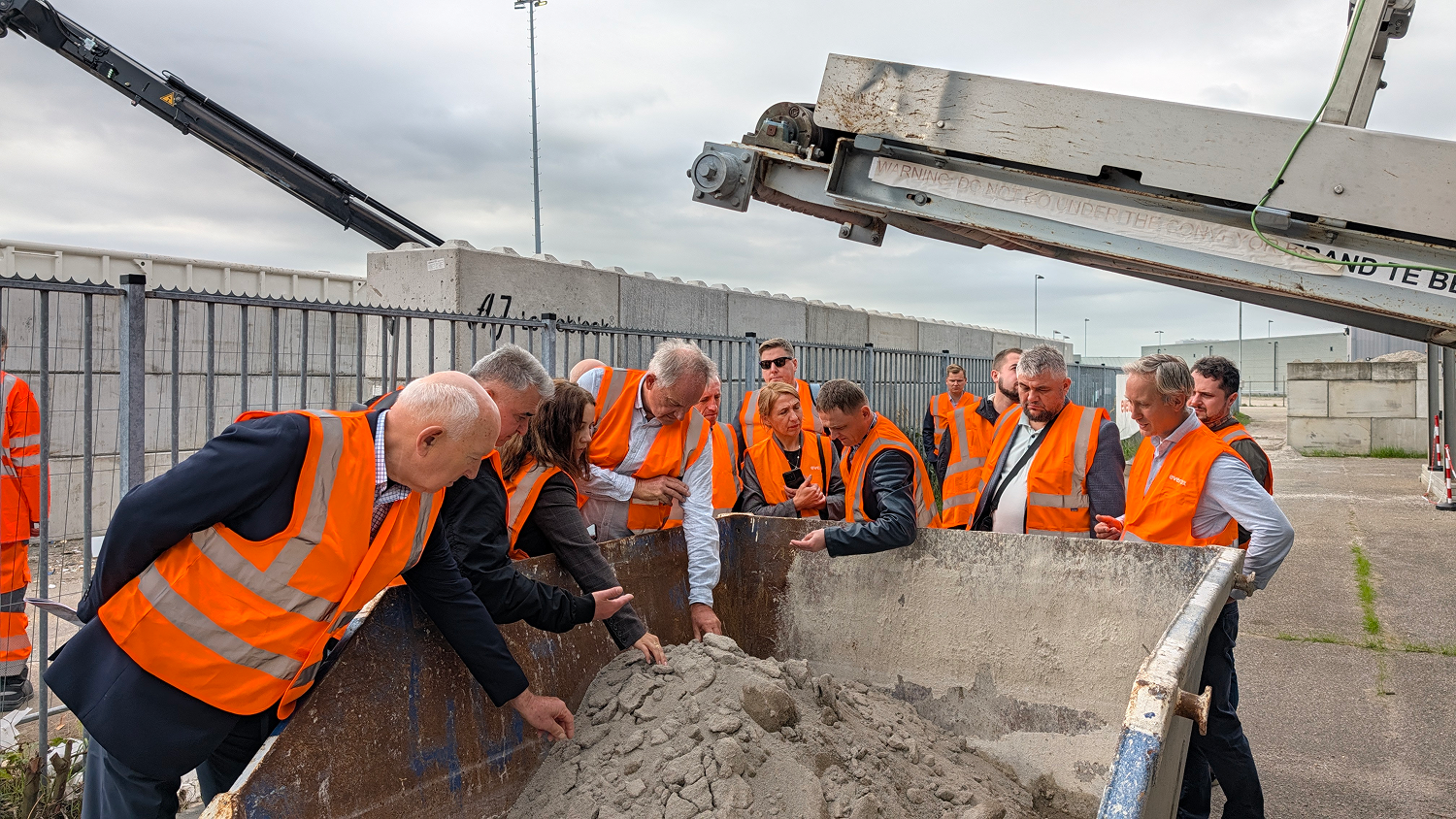
The Ukrainian trials also provided useful feedback for the developers. Working in these conditions helped the Everox team identify ways to make future equipment easier to assemble and dismantle, and better suited to a range of operating environments.
The process brings together several stages, from preparing and crushing concrete to separating, analysing and reusing the recovered materials. This was the approach explored by the S3 team during trials in Ukraine.
One focus of S3’s research has been the finest fraction of recycled concrete. This fraction has a higher cement content, and cement is one of the most expensive and resource-intensive components of concrete. The team therefore investigated whether it could partially replace cement and mineral additions in new concrete. Potential applications also include foam concrete and mixes for 3D printing. Some of the research findings have already been published.
S3’s findings have also been used to develop new products. In Ukraine, a pilot batch of several thousand wall blocks has been produced in collaboration with NETICS using recycled concrete waste. This offers a practical example of how materials recovered from demolished, war-damaged buildings can be used in new construction products.
The project’s experience shows that further research and practical trials are needed before these approaches can be adopted more widely. Material certification, regulatory requirements and the involvement of manufacturers willing to work with recycled materials also remain important.
The visits to Eindhoven and Rotterdam offered an opportunity to see how research and pilot-scale concrete recycling are carried out in the Netherlands, and to discuss how these approaches could be developed further for Ukraine’s reconstruction.
In Eindhoven, the team visited laboratories at Eindhoven University of Technology to learn about research into the reuse of construction materials. In Rotterdam, participants visited Everox to see its concrete recycling equipment and learn how it works.
At the university, partners toured a laboratory where researchers study construction materials and their potential for reuse. They were shown equipment used to crush, process and analyse concrete, and learned how researchers assess the resulting fractions. Understanding the properties of each fraction helps determine where recovered materials can be used in new construction products.
In Rotterdam, partners visited Everox, the Dutch S3 partner developing concrete recycling technologies. They saw its pilot plant and how the different pieces of equipment work together throughout the process. Partners were also shown laboratory equipment used to analyse and test materials at different stages of recycling.
Particular attention was given to equipment previously used in pilot trials in Ukraine. It had been supplied to Ukrainian partners to process a batch of concrete from buildings destroyed during Russia’s full-scale invasion. After the trials, the equipment was returned to the Netherlands, where some components underwent maintenance. The experience in Ukraine highlighted the need to adapt the equipment to different operating conditions, including low temperatures and interruptions to the electricity supply.
The Ukrainian trials also provided useful feedback for the developers. Working in these conditions helped the Everox team identify ways to make future equipment easier to assemble and dismantle, and better suited to a range of operating environments.
The process brings together several stages, from preparing and crushing concrete to separating, analysing and reusing the recovered materials. This was the approach explored by the S3 team during trials in Ukraine.
One focus of S3’s research has been the finest fraction of recycled concrete. This fraction has a higher cement content, and cement is one of the most expensive and resource-intensive components of concrete. The team therefore investigated whether it could partially replace cement and mineral additions in new concrete. Potential applications also include foam concrete and mixes for 3D printing. Some of the research findings have already been published.
S3’s findings have also been used to develop new products. In Ukraine, a pilot batch of several thousand wall blocks has been produced in collaboration with NETICS using recycled concrete waste. This offers a practical example of how materials recovered from demolished, war-damaged buildings can be used in new construction products.
The project’s experience shows that further research and practical trials are needed before these approaches can be adopted more widely. Material certification, regulatory requirements and the involvement of manufacturers willing to work with recycled materials also remain important.
The visits to Eindhoven and Rotterdam offered an opportunity to see how research and pilot-scale concrete recycling are carried out in the Netherlands, and to discuss how these approaches could be developed further for Ukraine’s reconstruction.
Event Schedule
Lorem ipsum dolor sit amet consectetur. Sit ut gravida aenean potenti. Metus in eu vel morbi dui nunc tellus. Non a massa maecenas massa.