Безпечна, стійка та швидка відбудова України
Наш проєкт не лише про відбудову України. Він також про започаткування нового підходу до будівництва, який можна повторити в інших регіонах, які стикаються з подібними викликами. Саме тому консорціум об’єднав провідні університети, бізнеси, а також громадські організації з Великобританії, України та Нідерландів, які прагнуть впроваджувати принципи кругової економіки в будівельній галузі, зосереджуючись на повторному використанні та переробці бетону.


Унікальна група організацій
Університет Шеффілда (Велика Британія) є адміністративним керівником проєкту, який активно займається управлінням проєкту та процесом розділення бетону. Університет Лідса (Велика Британія) виступає технологічним лідером і зосередиться на виробництві клінкеру/цементу, характеристиці та тестуванні бетону, а також оптимізації вартості матеріалів за допомогою моделювання динамічних систем.
ReThink (UA) – місцевий координатор проєкту, який зосереджується на взаємодії з громадськістю, поширенні інформації та комунікаційних заходах.
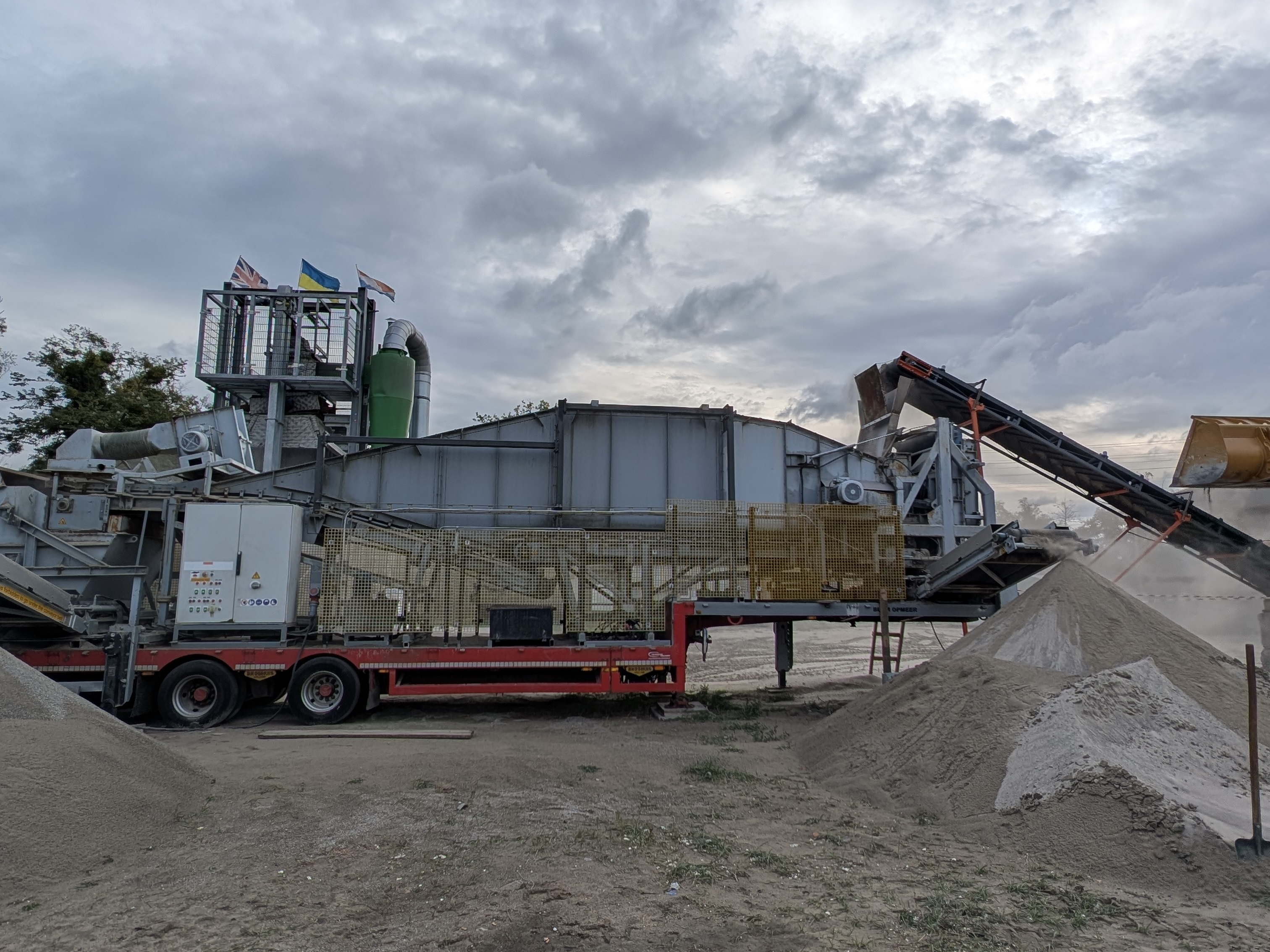
Everox Technology (NL) – ключовий постачальник технологій та обладнання. Компанія пропонує рішення для термомеханічної обробки, оптимізації заповнювачів і тонких фракцій.
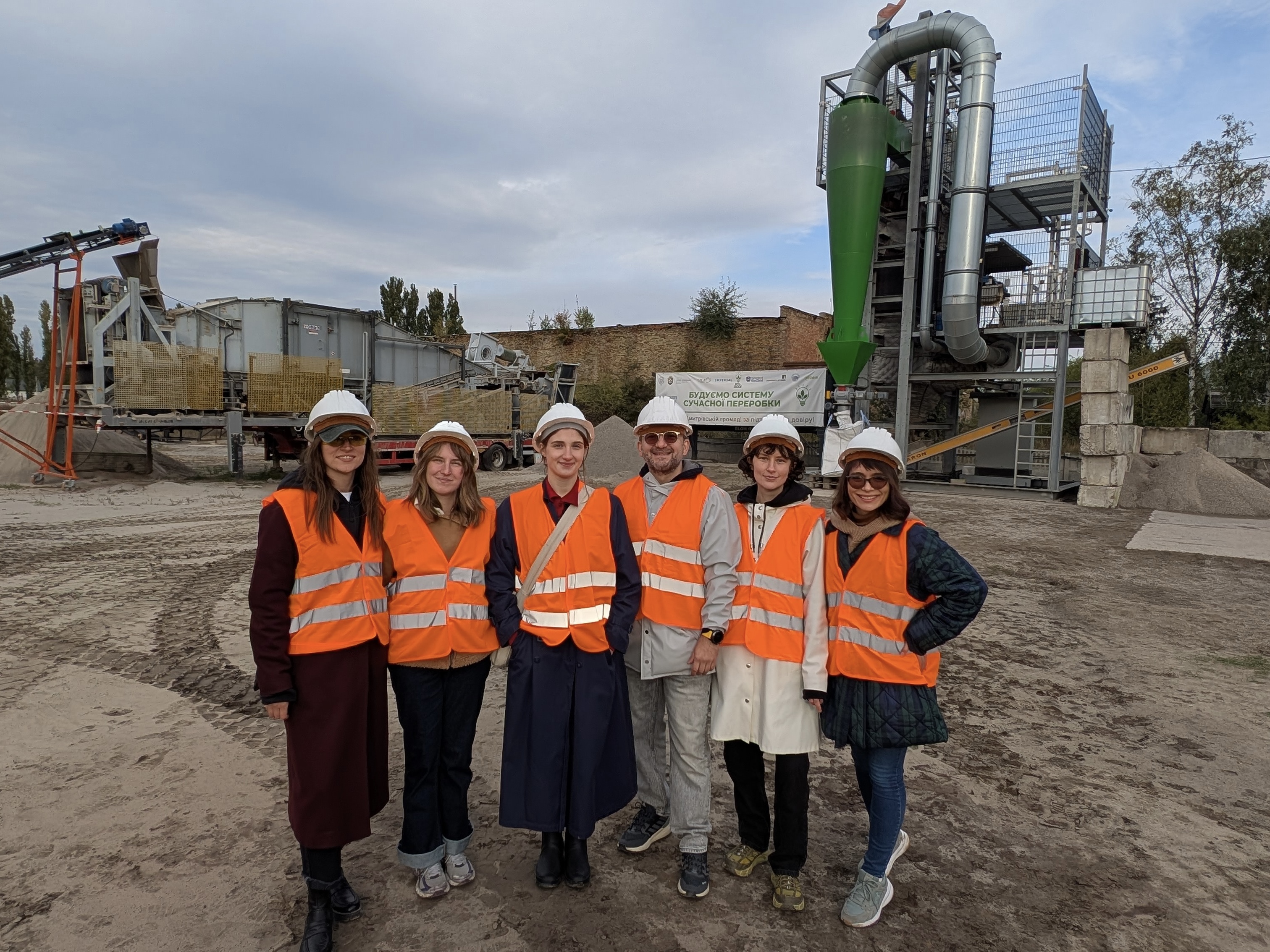
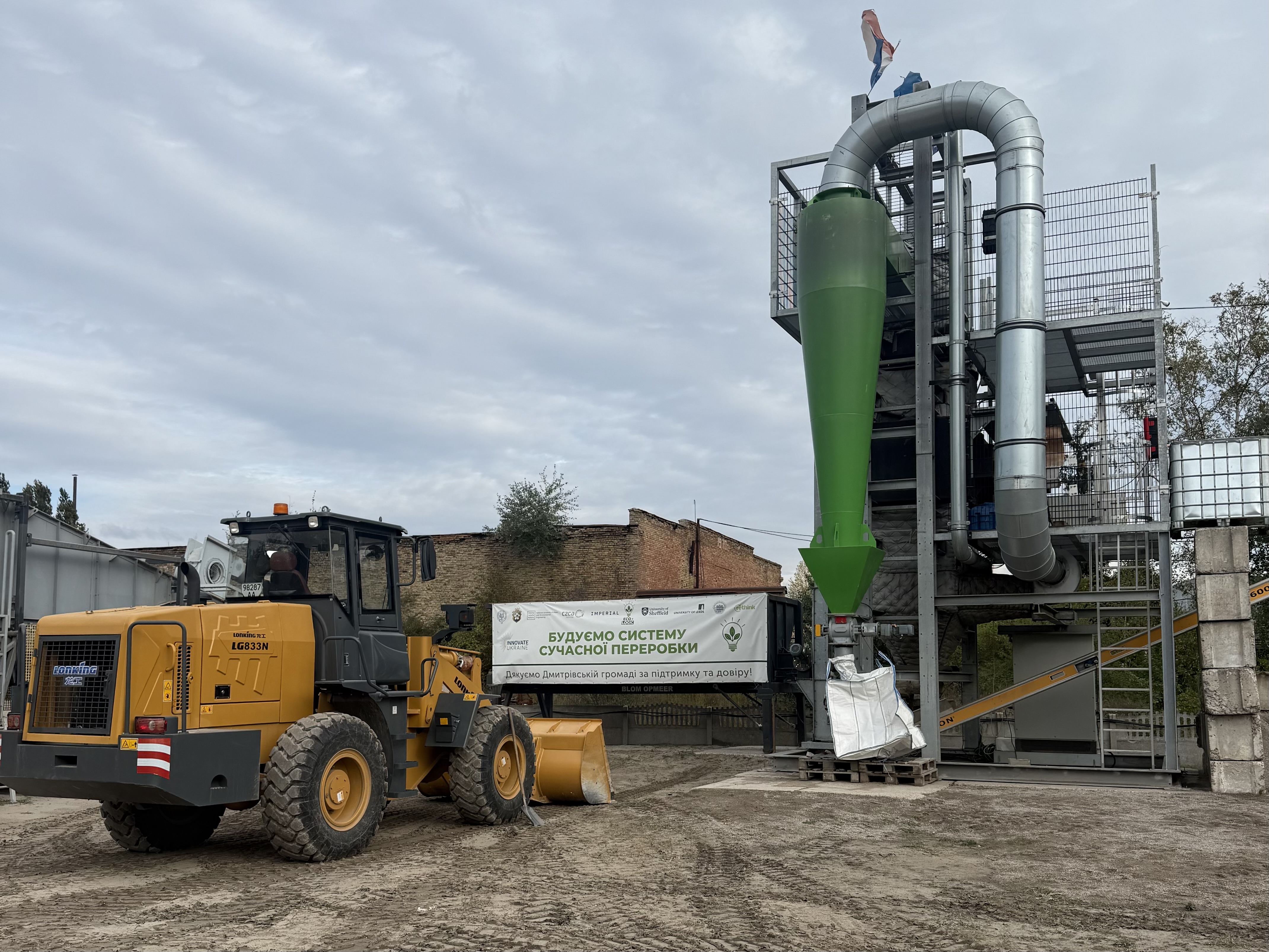
Eco+Logic (UA) відповідальна за розгортання та експлуатацію обладнання Everox для розділення бетону, його переробки та розробки сухих продуктів. Також здійснюватиме логістику будівельного сміття, його сортування та первинне дроблення.
Національний Університет водного господарства та природокористування (UA) досліджуватиме змішані цементи та додаткові цементуючі матеріали, в той час як Національний університет «Львівська політехніка» (UA) відповідатиме за дослідження у сфері бетону, його характеристику на місці, розробку нових застосувань та тестування.
Оксфордський університет розроблятиме передові моделі термомеханічного розділення, а Імперський коледж Лондона (UK) проводитиме комплексну техніко-економічну та екологічну оцінку життєвого циклу проєкту.
Consortium

The University of Leeds
Університет Лідса входить до топ-100 університетів світу та є членом Russell Group, маючи міжнародно визнану експертизу в галузі цивільного будівництва та штучного середовища.
Дізнатися більше


Про організацію

Університет Лідса входить до топ-100 університетів світу та є членом Russell Group, маючи міжнародно визнану експертизу в галузі цивільного будівництва та штучного середовища.
Школа цивільної інженерії проводить дослідження інфраструктурних викликів сучасного суспільства. Лідс має тривалу історію інновацій у будівництві: саме в цьому місті був запатентований портландцемент. Сьогодні тут працює Neville Centre of Excellence in Cement and Concrete Engineering — провідний центр досліджень низьковуглецевих матеріалів і кругового будівництва.
Роль у проекті S3
У межах консорціуму Університет Лідса є технологічним лідером проєкту та координує робочі пакети з цементу та енергетики (WP4), а також життєвого циклу й техніко-економічної оцінки (WP5).
Також університет бере участь у характеристиці бетону (WP3) та активно долучається до діяльності з поширення результатів проєкту (WP6).
Ключові досягнення та внески в S3
У межах WP3 команда працювала над створенням бази даних для встановлення взаємозв’язку між властивостями вторинних заповнювачів і характеристиками бетону.
WP4 спрямований на розвиток низьковуглецевого цементу з переробленої бетонної пасти (RCP), включаючи експериментальні випробування зі звичайним та мікрохвильовим нагріванням. Паралельно проводиться моделювання й термодинамічний аналіз енергетичних потреб виробництва клінкеру з вторинної сировини порівняно з традиційними матеріалами.
Використовуючи базу даних WP3, команда також здійснила оцінку життєвого циклу (LCA), щоб дослідити взаємозв’язок між викидами під час переробки вторинного бетонного заповнювача та вуглецевим слідом бетону на його основі.

НУВЕГП (Національний університет водного господарства та природокористування)
НУВГП є провідним українським закладом вищої освіти та науково-дослідним закладом, що спеціалізується на водному господарстві, захисті довкілля, сталiй інфраструктурі та прикладних екологічних науках.
Дізнатися більше

Про організацію
НУВГП є провідним українським закладом вищої освіти та науково-дослідним закладом, що спеціалізується на водному господарстві, захисті довкілля, сталiй інфраструктурі та прикладних екологічних науках.
Кафедра технології будівельних виробів і матеріалознавства займається дослідженнями та викладанням у сфері будівельних матеріалів, їх довговічності та сталих матеріальних технологій, з особливим акцентом на ресурсоефективні та інноваційні рішення.
Роль у проекті S3
НУВГП проводить прикладні дослідження, спрямовані на використання бетонного уламкового матеріалу як вторинної сировини для сучасного будівництва.
Ключовим напрямом досліджень є вивчення дрібнодисперсних фракцій переробленого бетону (RCF), зокрема промислово вироблених HAS Ultrafines. Ці матеріали отримуються від партнерів із використанням технології everox та установок Eco+Logic, а також шляхом лабораторного дроблення та класифікації бетонних відходів.
Key achievements and contributions within S3
У межах проєкту S3 НУВГП продемонстрував ефективне використання дрібнодисперсних фракцій переробленого бетону як додаткових цементуючих матеріалів із заміщенням цементу до 10–15% без суттєвої втрати механічних характеристик, що сприяє зменшенню використання клінкеру та скороченню викидів CO₂.
Робота НУВГП включає розробку низькоцементних і низькоклінкерних бетонів, розчинів і пресованих будівельних матеріалів із застосуванням стратегій активації та переробки вторинних матеріалів, зокрема HAS Ultrafines. Ці результати сприяють створенню масштабованих науково обґрунтованих рішень для відбудови України відповідно до принципів кругової економіки та ресурсоефективності.

C2CA Technology B.V.
C2CA / everox Technologies є піонером у сфері низькоенергетичного апсайклінгу бетонних відходів у високоякісний замінник цементу для будівельної галузі. Завдяки заміщенню цементу технологія everox має потенціал скоротити глобальні викиди CO₂ на 2%.
Дізнатися більше

Про організацію
C2CA / everox Technologies є піонером у сфері низькоенергетичного апсайклінгу бетонних відходів у високоякісний замінник цементу для будівельної галузі.
Завдяки заміщенню цементу технологія everox має потенціал скоротити глобальні викиди CO₂ на 2%, одночасно забезпечуючи локальні ланцюги постачання та кругову економіку.
Роль у проєкті S3
Компанія everox є основним постачальником технологій у проєкті та надала консорціуму ключове обладнання — “ballistic separator (BS)” і “thermo-mechanical separator (TMS)” — для роботи партнерів в Україні.Завдяки цьому обладнанню консорціум зміг переробити понад 6 000 тонн бетонних відходів та отримати вторинні матеріали, використані в бетонних сумішах.
Ключові досягнення та внески в S3
- Постачання, монтаж та введення в експлуатацію ключового обладнання для переробки бетону спільно з партнерами консорціуму в Україні.
- Розробка та впровадження сенсорної системи для оперативного контролю якості та збору даних про ефективність.
- Повторне встановлення повної технологічної лінії в Нідерландах для забезпечення подальшого доступу консорціуму та підтримки майбутніх бізнес-ініціатив.

The University of Sheffield
Університет Шеффілда входить до топ-100 університетів світу та має глобальну репутацію у сфері наукової досконалості. Він є членом Russell Group — об’єднання 24 провідних університетів Великої Британії у сфері досліджень та викладання.
Дізнатися більше

Про організацію
Університет Шеффілда входить до топ-100 університетів світу та має глобальну репутацію у сфері наукової досконалості. Він є членом Russell Group — об’єднання 24 провідних університетів Великої Британії у сфері досліджень та викладання.Дослідницька група з цивільної та структурної інженерії Школи механічної, аерокосмічної та цивільної інженерії працює над вирішенням глобальних інженерних викликів у сферах сталої інфраструктури, вуглецево-нейтрального будівництва, енергетики, цифрових технологій і нових матеріалів.
Роль у проєкті S3
University of Sheffield очолює діяльність із характеристик, переробки та оцінки експлуатаційних властивостей перероблених бетонних заповнювачів (RCA) і бетону на їх основі (RAC). Шеффілдський університет розробляє лабораторні методи дроблення та механічної обробки для покращення якості RCA, оцінює характеристики бетону з переробленими заповнювачами та надає експериментальні дані й матеріали для підтримки міжпартнерських дослідницьких завдань.
Крім того, Шеффілдський університет також виконує роль адміністративного координатора проєкту, забезпечуючи управлінську підтримку консорціуму.
Ключові досягнення та внески в S3
Шеффілдський університет створив лабораторний робочий процес для виробництва RCA та підвищення його якості, що включає одностадійні та багатостадійні методи дроблення з подальшою механічною обробкою методом кульового млину. Команда охарактеризувала RCA до та після обробки в кульовому млині за такими показниками, як водопоглинання, насипна густина у сухому стані, об’ємна густина, показник дробимості заповнювача, індекси форми та лещадності, а також аналіз морфології на основі зображень.
Дослідження Шеффілдського університету показали, що механічна обробка, особливо вологе кульове млинування, може зменшити водопоглинання RCA більш ніж на 20%. Також університет розробив і випробував бетонні суміші з переробленими заповнювачами, порівняв різні стратегії компенсації води, узгодив дизайн сумішей із Lviv Polytechnic National University для міжпартнерських порівнянь і підготував дрібні фракції для досліджень термічної активації в University of Leeds.
Окрім цього, Шеффілдський університет також розвиває лабораторну базу та методи для дослідження довготривалої експлуатаційної поведінки, включаючи випробування на повзучість і чисельне моделювання усадки та повзучості в переробленому бетоні.
ReThink
ReThink — українська громадська організація, що працює на перетині кругової економіки, сталої відбудови, політики та взаємодії зі стейкхолдерами.
Дізнатися більше

Про організацію
ReThink — українська громадська організація, що працює на перетині кругової економіки, сталої відбудови, політики та взаємодії зі стейкхолдерами.
Організація об’єднує дослідників, державні структури, бізнес, громади та міжнародних партнерів задля підтримки системних підходів до відновлення України з акцентом на ресурсоефективність, кругове будівництво та практики відбудови, засновані на доказах.
Роль у проєкті S3
У межах проєкту S3 ReThink відповідає за комунікацію, поширення результатів та взаємодію зі стейкхолдерами.
Організація координує видимість проєкту, роботу з медіа, заходи та комунікацію всередині консорціуму, а також допомагає трансформувати технічні результати проєкту у зрозумілі наративи про кругову відбудову та повторне використання уламків руйнувань.
ReThink також підтримує ширший діалог щодо політики відбудови, сталих будівельних практик та кругових підходів в Україні та на міжнародному рівні.
Ключові досягнення та внески в S3
ReThink розробила та реалізувала комунікаційну стратегію проєкту, включаючи наповнення вебсайту, роботу з медіа, інформаційні розсилки, соціальні мережі та візуальні матеріали.
Організація координувала комунікацію навколо ключових етапів проєкту та міжнародних подій, сприяючи позиціонуванню S3 у ширшій дискусії про сталу та низьковуглецеву відбудову України.
Через свою діяльність ReThink посилює взаємозв’язки між наукою, політикою, індустрією та суспільним діалогом.

University of Oxford
Оксфордський університет є одним із провідних університетів світу та найстарішим університетом англомовного світу. Він має міжнародне визнання за досягнення у сфері досліджень, викладання та інновацій у галузях науки, інженерії, технологій і сталого розвитку.
Дізнатися більше

Про організацію
The University of Oxford is one of the world’s leading universities and the oldest university in the English-speaking world. Oxford is internationally recognised for its excellence in research, teaching, and innovation across science, engineering, technology, and sustainability-related disciplines. Within the Department of Engineering Science, researchers work on advanced modelling approaches, materials science, fracture mechanics, and low-carbon engineering solutions.
Роль у проєкті S3
Oxford contributes advanced computational modelling and fracture mechanics expertise to support the project’s development of circular technologies for processing concrete rubble from destruction. The university is investigating thermo-mechanical and chemically induced separation approaches aimed at improving the efficiency of rubble processing while reducing energy consumption. Oxford also supports optimisation of concrete separation processes together with industrial and academic partners across the consortium.
Ключові досягнення та внески в S3
Дослідники університету розробляють передові моделі термомеханічного розділення та вивчають низькоенергетичні методи дроблення бетонних відходів. Команда також досліджує методи попереднього утворення тріщин за допомогою хімічного впливу для покращення відокремлення заповнювачів і зменшення енерговитрат на дроблення. Завдяки експертизі в галузі обчислювального моделювання та механіки руйнування Оксфордський університет сприяє адаптації та оптимізації технологій переробки будівельних відходів для потреб відбудови України та робить внесок у розвиток низьковуглецевих кругових рішень для відновлення інфраструктури.

Lviv Polytechnic National University
Національний університет «Львівська політехніка» є найбільшим університетом Львова та вже понад два століття залишається провідним центром інженерної освіти, наукових досліджень і технологічних інновацій у Центральній Європі.
Дізнатися більше

Про організацію
Національний університет «Львівська політехніка» — найбільший університет Львова та найстаріший технічний заклад вищої освіти України, заснований у 1816 році. Протягом понад двох століть університет є важливим центром інженерної освіти, досліджень і технологічного розвитку у Центральній Європі.
Інститут будівництва та інженерних систем забезпечує експертизу у сферах цивільного будівництва, транспортної інфраструктури, будівельних технологій, конструкцій, гідротехніки та безпеки життєдіяльності. Завдяки освітній, науковій та практично орієнтованій діяльності Інститут сприяє розвитку стійких і практичних рішень для відбудови та модернізації будівельного сектору України.
Роль у проєкті S3
У межах проєкту S3 Львівська політехніка об’єднує експертизу кафедр автомобільних доріг та мостів, будівельного виробництва та будівельних конструкцій для підтримки розробки, тестування та валідації сталих будівельних матеріалів і технологій на основі вторинних бетонних заповнювачів (RCA) та дрібнодисперсних бетонних фракцій (RCF), вироблених в Україні.
Університет також сприяє адаптації результатів проєкту до української будівельної практики, локальних матеріалів, стандартів і потреб відбудови, а також бере участь у діяльності з поширення результатів.
Ключові досягнення та внески в S3
- Проведено випробування та характеристику вторинних бетонних заповнювачів (RCA) і дрібнодисперсних бетонних фракцій (RCF), підтверджено їхній потенціал для використання у будівельних матеріалах.
- Розроблено конструкційні бетонні суміші з приблизно 40% заміщенням природних заповнювачів RCA без втрати ключових фізико-механічних властивостей.
- Підтверджено можливість використання RCF для стабілізації місцевих ґрунтів та їх застосування в дорожніх і інфраструктурних шарах.
- Розроблено гідравлічне дорожнє в’яжуче для виготовлення основ дорожнього покриття з використанням RCA.
- Університет відіграв провідну роль в організації конференції S3 у Львові, об’єднавши українських та міжнародних дослідників, представників індустрії та стейкхолдерів для просування рішень сталої відбудови.

Eco Logic
Eco+Logic — українська компанія, що спеціалізується на сталих екологічних рішеннях та інноваційних підходах до управління відходами й ресурсоефективності.
Дізнатися більше

Про організацію
Eco+Logic — українська компанія, що спеціалізується на сталих екологічних рішеннях та інноваційних підходах до управління відходами й ресурсоефективності. Компанія поєднує практичний досвід із науково обґрунтованими методами для підтримки ініціатив кругової економіки та зелених технологій.
Роль у проєкті S3
Eco+Logic забезпечує впровадження сталих екологічних рішень та інноваційних підходів до переробки відходів і ресурсоефективності в межах проєкту.
Ключові досягнення та внески в S3
Компанія успішно переробила понад 8 000 тонн будівельних і демонтажних відходів із використанням сучасного обладнання, що забезпечило значне скорочення навантаження на полігони та повернення цінних ресурсів у виробництво.
Команда організувала повний цикл роботи інноваційних технологій переробки в Україні, створивши умови для реального тестування та валідації технології Everox в експлуатаційних умовах.
У результаті були створені кругові будівельні продукти — лавки та смітники — які передали Дмитрівській громаді як практичний результат проєкту. Eco+Logic стала ключовим партнером із впровадження, поєднавши наукові результати з практичною реалізацією та створивши модель для масштабування таких рішень у майбутньому.

Imperial College London
Imperial College London — один із провідних державних дослідницьких університетів світу, що спеціалізується на науці, технологіях, інженерії, медицині та бізнесі.
Дізнатися більше

Про організацію
Imperial College London — один із провідних державних дослідницьких університетів світу, що спеціалізується на науці, технологіях, інженерії, медицині та бізнесі.
Факультет цивільної та екологічної інженерії досліджує взаємодію між штучним середовищем і природою, визнаючи ключову роль інженерії у вирішенні глобальних викликів, зокрема змін клімату та економічного відновлення.
Роль у проєкті S3
Команда проводить оцінку життєвого циклу та техніко-економічний аналіз технологічного процесу Everox, який перетворює будівельні відходи на різні продукти: вторинні заповнювачі, дрібнодисперсні бетонні фракції та додаткові цементуючі матеріали.
Також моделюються інші технології апсайклінгу, зокрема інноваційні рішення, розроблені учасниками консорціуму, наприклад мікрохвильове спікання.
Ключові досягнення та внески в S3
Основними результатами стануть:
- дані щодо потенційного екологічного впливу різних шляхів апсайклінгу бетонних відходів разом з економічними оцінками CAPEX/OPEX і ринкової вартості;
- рецензована наукова стаття “How best to produce Portland clinker from concrete rubble: A life cycle analysis and technoeconomic assessment”, яка наразі готується до публікації.
Галерея Консорціуму


.jpg)
%20(1).jpg)

.jpeg)




значення проєкту