News
March 27, 2026
International Scientific Conference on Safe, Sustainable, and Swift Reconstruction of Ukraine
Сonference bringing together experts to discuss practical approaches to sustainable reconstruction
Regularly ensure no new buildings or trees are casting shadows
Et tellus congue praesent pellentesque volutpat laoreet bibendum ut congue sed libero velit sed suscipit amet mattis orci aliquet egestas nibh quis neque vulputate convallis adipiscing magna. Mattis quisque in feugiat in metus laoreet sodales lectus id augue quis pellentesque feugiat luctus malesuada laoreet bibendum nibh augue fames feugiat diam sed. Varius ut eget sollicitudin sed semper sed semper sed nunc sagittis sit at sit.
- Euismod amet rutrum ornare egestas ac nunc ullamcorper mi pretium
- Mauris aliquet faucibus iaculis dui vitae litum sus ullamco
- Semper pharetra duis purus facilisis nec pretium imperdiet varius
- Molestie eget quis viverra eget eget pulvinar a donec vitae amet
Regularly check the energy output to identify any issues
Sed massa vestibulum lectus suspendisse egestas sit. Interdum vel scelerisque non imperdiet nec euismod enim tristique purus leo fames ut malesuada iaculis nunc ridiculus purus hendrerit mauris netus nunc arcu nulla hac parturient elementum proin. Malesuada commodo mi arcu sit adipiscing turpis nullam dignissim phasellus cras sagittis et sit blandit vestibulum vitae eget nulla vel dictum elementum in feugiat vel volutpat libero porta sed.

Have a professional periodically inspect and service the system
Nibh tellus arcu aliquam in pellentesque ultricies non nisi suspendisse laoreet est felis placerat bibendum nisl fermentum ut et eget lacus lectus aliquet egestas nullam suspendisse vulputate dictum tempus ullamcorper mattis ultrices suscipit ipsum vitae arcu est volutpat suscipit dolor gravida netus massa lacinia maecenas dictum facilisis eu.
- Ut est dui porttitor vitae diam cras faucibus urna diam proin ultrices
- Mauris aliquet faucibus iaculis dui vitae ullamco
- Sapien tempus nec scelerisque praesent mattis vitae commodo
- Justo at dictum fames condimentum nisl tellus mauris fermentum
Be cautious not to put stress on the panels
Nibh tellus arcu aliquam in pellentesque ultricies non nisi suspendisse laoreet est felis placerat bibendum nisl fermentum ut et eget lacus lectus aliquet egestas nullam suspendisse vulputate dictum tempus ullamcorper mattis ultrices suscipit ipsum vitae arcu est volutpat suscipit dolor gravida netus massa lacinia maecenas ictum facilisis eu.
“At scelerisque elementum vitae sed et posuere adipiscing est pulvinar id proin eget posuere odio dictumst mi interdum”
Prevent birds, rodents, and insects from nesting under panels
Sit nulla nec vitae odio orci phasellus metus diam leo est nisi morbi arcu vitae urna sit platea ligula non quis non aliquam in posuere mi egestas nunc ac vitae sed nunc auctor justo orci id ut neque ac nec. In quam eget volutpat urna consequat sit morbi tristique lobortis urna convallis lectus ac.
Follow all guidelines to maintain the warranty validity
Praesent magna turpis tellus nisl tortor est nisl nulla neque sed nisi enim cras in vitae aliquam. Posuere ultrices hac consectetur nulla odio at vitae egestas dis vestibulum risus amet viverra tortor tincidunt nascetur platea ultricies fermentum nibh nulla in lorem lectus adipiscing pretium sit condimentum nullam in eu in lorem cras proin.
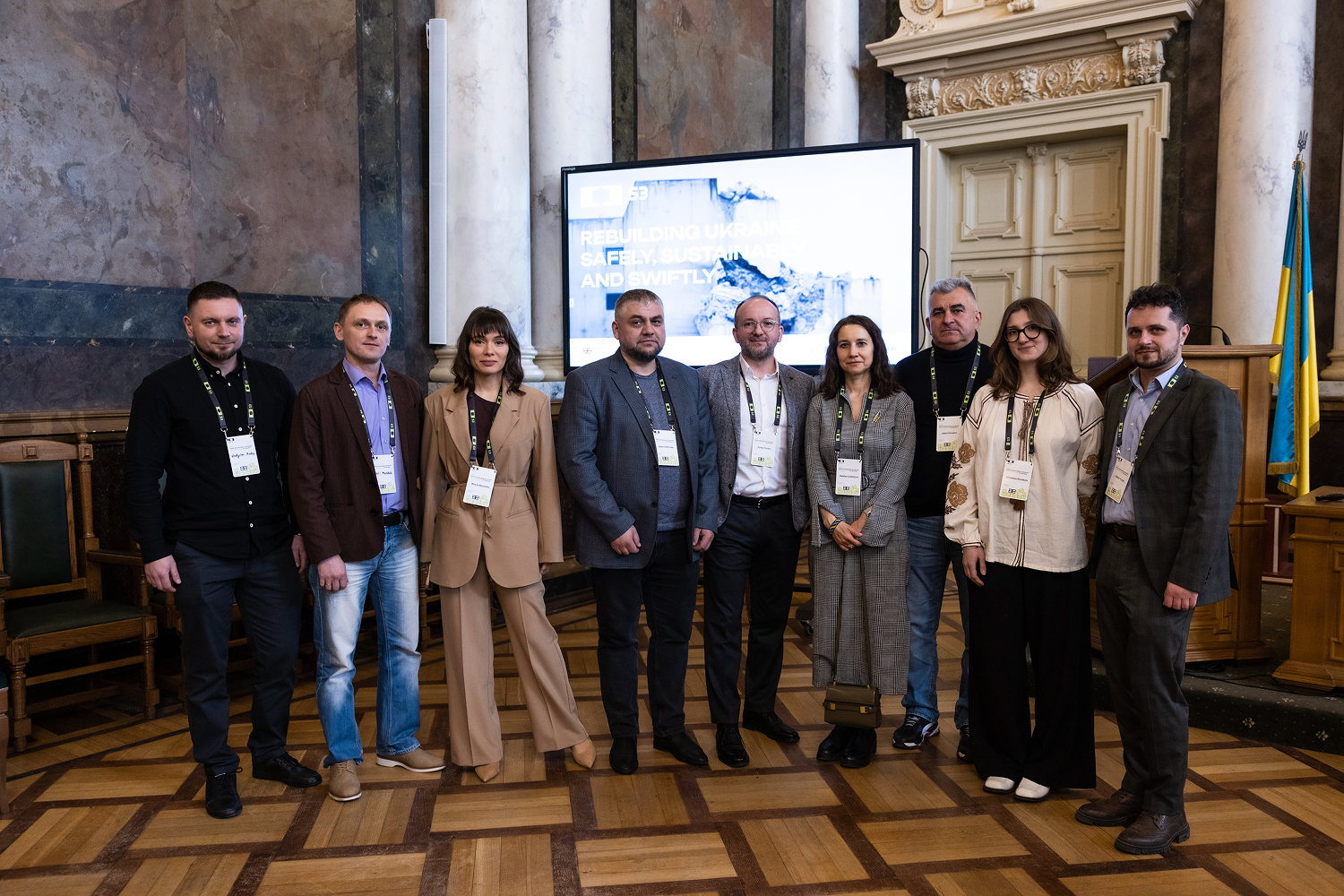
On March 19–20, 2026, Lviv Polytechnic National University hosted the international scientific conference Safe, Sustainable and Swift Reconstruction of Ukraine, bringing together experts to discuss practical approaches to sustainable reconstruction.
The event was held within the S3 project, which focuses on developing innovative solutions for upcycling concrete from demolition waste by transforming it into construction materials with a lower carbon footprint and improved resource efficiency.
This practical approach provided the basis for a broader discussion on the role of innovation, scientific research, and coordination among stakeholders in Ukraine’s reconstruction.
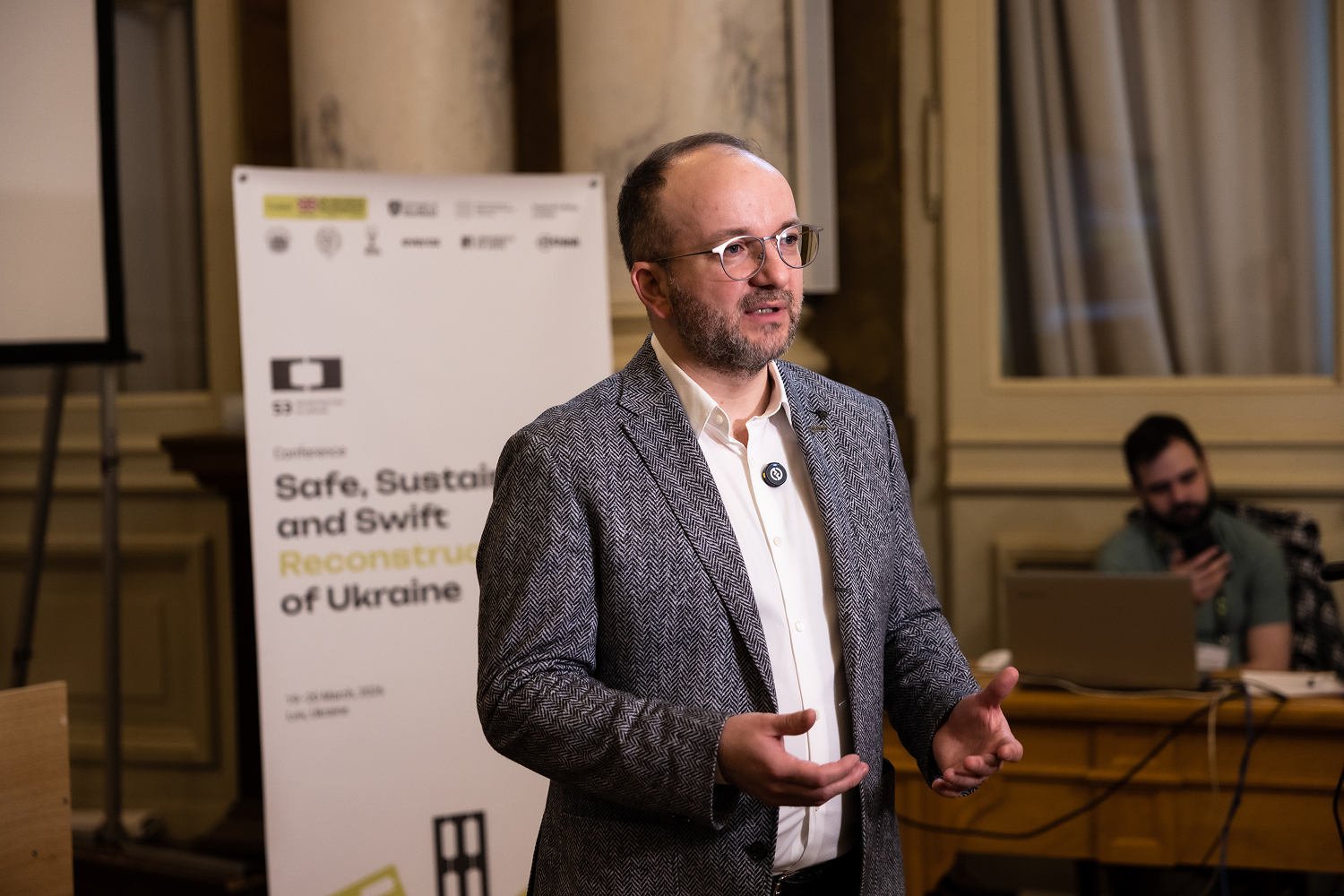
“Within the S3 project, we are not only piloting an innovative system for upcycling concrete from construction debris, but also strengthening the scientific capacity of Ukrainian universities. The project fosters collaboration between Ukrainian, British and Dutch researchers and promotes inclusion and gender equality in the construction sector,” said Roman Puchko, CEO of NGO ReThink.
Key themes of the conference included:
- Sustainable Materials and Construction
Innovative approaches to the recycling and management of construction and demolition waste.
- Infrastructure Rehabilitation & Development
Diagnostics of the technical condition of damaged buildings and structures, including methods for strengthening and restoring their functionality.
- Urban Planning & Design
Strategies for rebuilding cities, integrating sustainable and resilient urban planning principles.
- Environmental & Regulatory Considerations
Legal and policy considerations for rebuilding efforts, ensuring compliance with international standards and sustainable development goals.
During the opening remarks, it was emphasised that Ukraine’s reconstruction is already taking place under continuous challenges, while also creating opportunities to introduce new approaches.
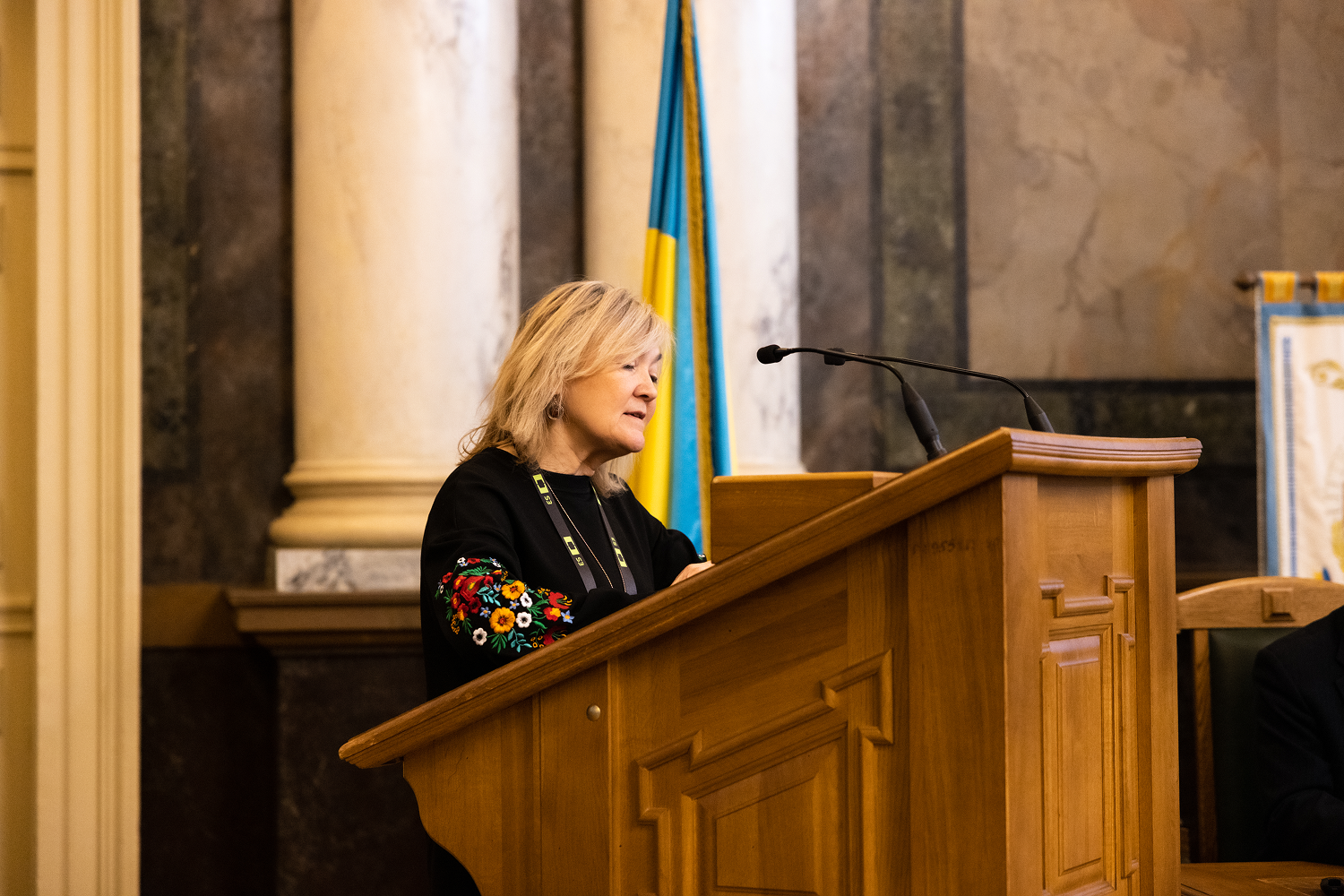
“The Safe, Sustainable, and Swift Reconstruction of Ukraine project demonstrates how recovery efforts can continue even under ongoing shelling and attacks by russia. Recycling rubble into low energy and low carbon construction materials can deliver significant environmental benefits. It also contributes to raising awareness of new technologies, including solutions for asbestos management, and supports the development of a circular construction economy,” noted Svitlana Yavorska, Head of the Lviv Office of the British Embassy in Ukraine.
The conference brought together an international community of researchers and practitioners, including representatives of leading universities from Europe, USA, Asia, and Ukraine, such as the University of Leeds, the University of Sheffield, Eindhoven University of Technology, Tokyo National University, Northwestern University, University of Oulu, École Polytechnique Fédérale de Lausanne, and Lviv Polytechnic National University.
Discussions consistently highlighted the importance of moving from research to practical application in reconstruction processes.
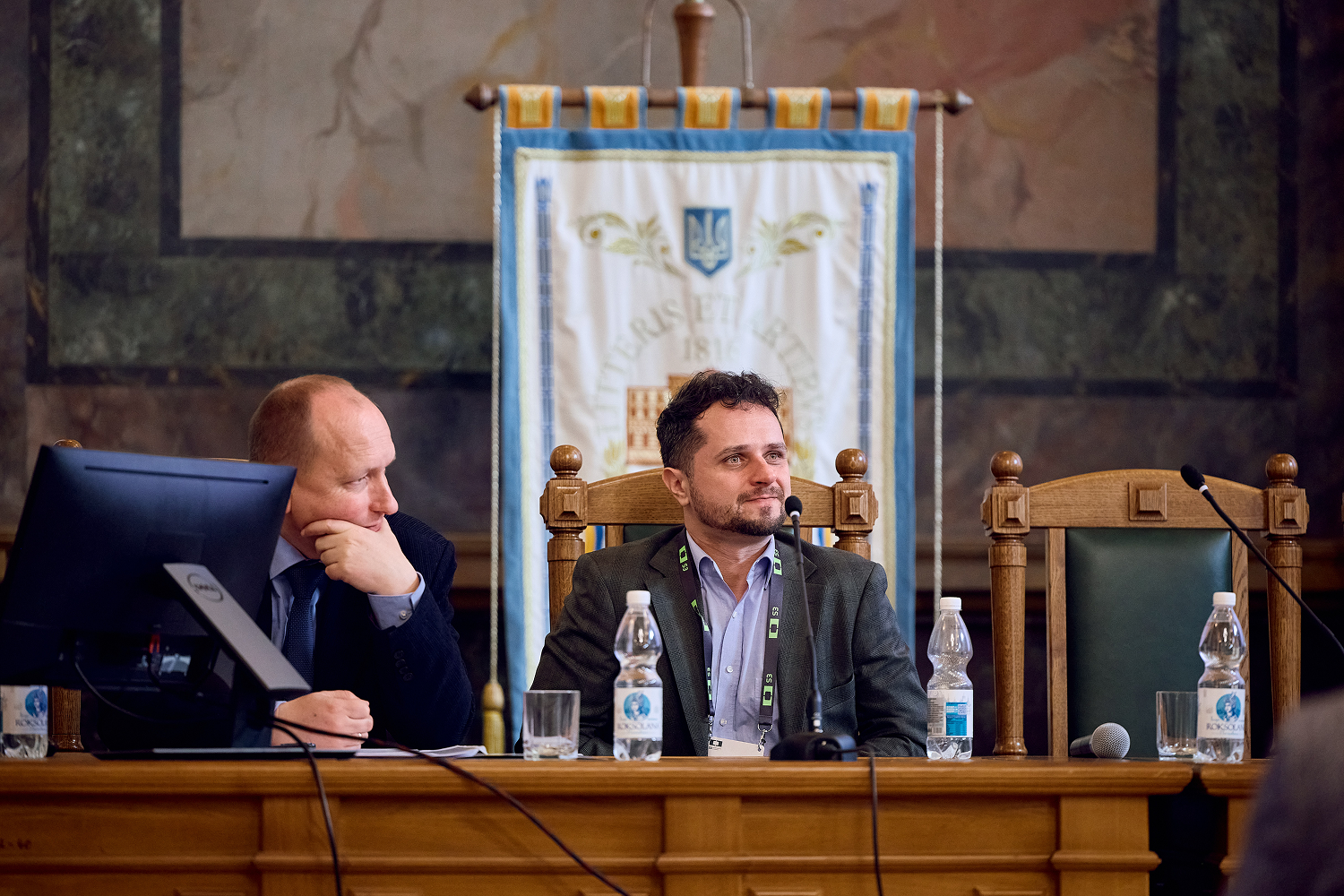
“It is essential not only to continue research, but also to focus on developing standards and implementing pilot and demonstration projects. Ukraine faces multiple challenges, and it is through practical testing that we can ensure the reliability, effectiveness, and wider application of these solutions,” emphasised Oleksii Hunyak, Associate Professor at Lviv Polytechnic National University.
Dr. Maurizio Guadagnini, Senior Lecturer at the University of Sheffield, said: “The S3 Conference has confirmed that our research foundation is solid. However, the path to rebuilding Ukraine requires translating this knowledge into action. To bridge the gap between theory and practice, we must rely on three interdependent pillars: research that drives innovation, implementation that builds confidence through practice, and education that empowers the next generation of enablers. For this vision to succeed, all stakeholders must move beyond observation and become active facilitators of change.”
Participants also stressed the importance of coordination and knowledge exchange between initiatives.
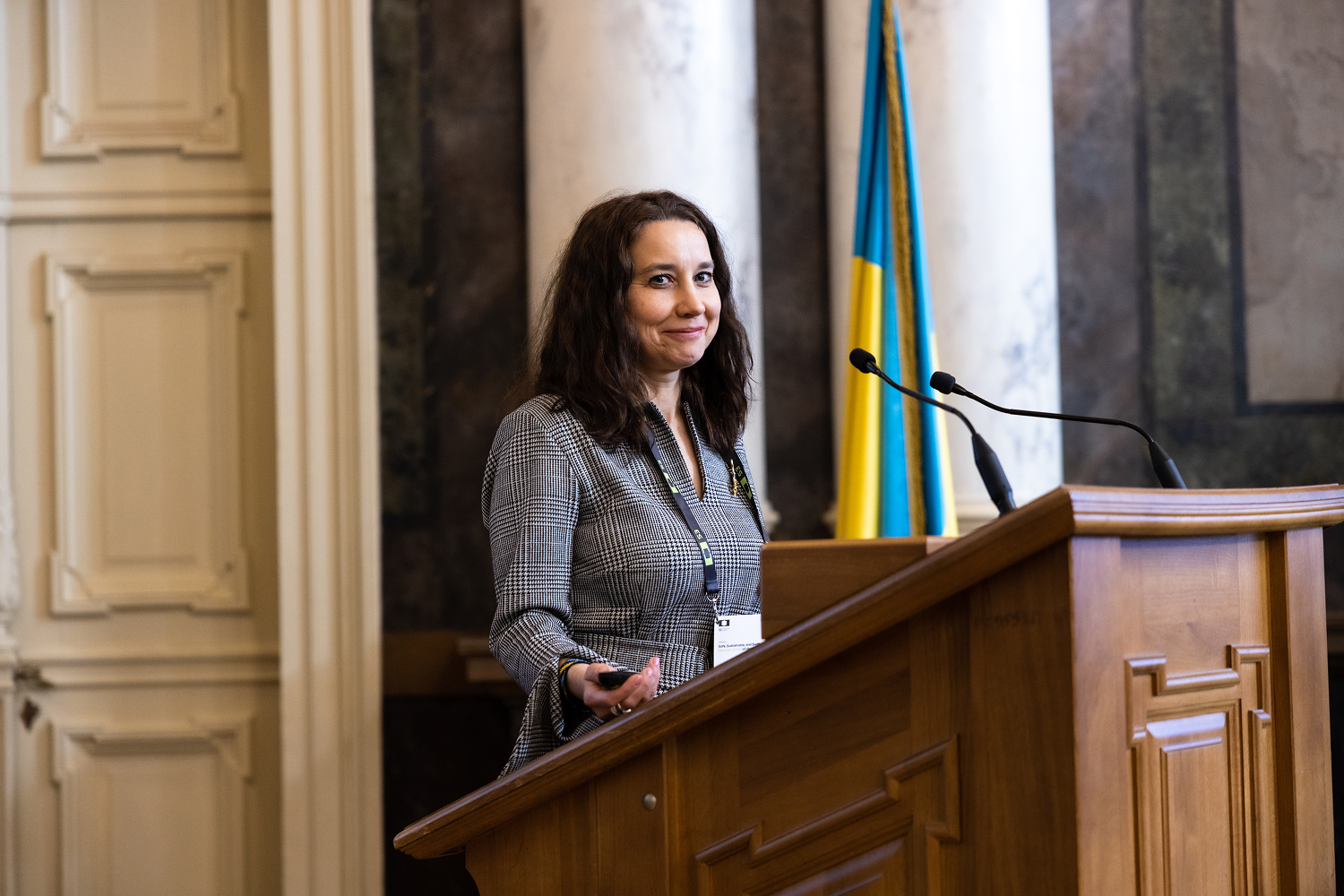
“We need not only more than pilot projects, but also better interaction between them and collaboration with all the stakeholders: government, local communities, industry, investors. Collaboration rather than competition will allow us to make better use of existing knowledge and experience for sustainable and safe reconstruction of Ukraine,” said Nataliya Lushnikova, Postdoctoral Researcher at Eindhoven University of Technology.
At the same time, particular attention was given to the barriers that hinder the implementation of sustainable solutions.
“There are multiple barriers to achieving circularity, and we need to address all of them if we want to move forward, including advancing research, improving education, and introducing more flexible standards. Finance and insurance remain hidden barriers, as many underwriters are not prepared to support non-standard construction. In this context, local and national governments have an important role to play in providing guarantees for such solutions,” added Leon Black, Professor of Infrastructure Materials at the University of Leeds.
Participants also emphasised the value of the conference for continued dialogue and collaboration.
“After nearly three years of work, it was valuable to come together to reflect and gain new insights. The conference created a strong foundation for continued dialogue and collaboration. It was also encouraging to see decentralisation highlighted as a key driver of change in the construction sector,” said Professor Theodore Hanein, Chair of Construction Materials Science at the University of Leeds.
In this context, the conference contributed to shaping a shared understanding that Ukraine’s reconstruction requires not only resources, but also systemic approaches grounded in data, collaboration, and the practical validation of solutions.
Read more about the conference here.
On March 19–20, 2026, Lviv Polytechnic National University hosted the international scientific conference Safe, Sustainable and Swift Reconstruction of Ukraine, bringing together experts to discuss practical approaches to sustainable reconstruction.
The event was held within the S3 project, which focuses on developing innovative solutions for upcycling concrete from demolition waste by transforming it into construction materials with a lower carbon footprint and improved resource efficiency.
This practical approach provided the basis for a broader discussion on the role of innovation, scientific research, and coordination among stakeholders in Ukraine’s reconstruction.
“Within the S3 project, we are not only piloting an innovative system for upcycling concrete from construction debris, but also strengthening the scientific capacity of Ukrainian universities. The project fosters collaboration between Ukrainian, British and Dutch researchers and promotes inclusion and gender equality in the construction sector,” said Roman Puchko, CEO of NGO ReThink.
Key themes of the conference included:
- Sustainable Materials and Construction
Innovative approaches to the recycling and management of construction and demolition waste.
- Infrastructure Rehabilitation & Development
Diagnostics of the technical condition of damaged buildings and structures, including methods for strengthening and restoring their functionality.
- Urban Planning & Design
Strategies for rebuilding cities, integrating sustainable and resilient urban planning principles.
- Environmental & Regulatory Considerations
Legal and policy considerations for rebuilding efforts, ensuring compliance with international standards and sustainable development goals.
During the opening remarks, it was emphasised that Ukraine’s reconstruction is already taking place under continuous challenges, while also creating opportunities to introduce new approaches.
“The Safe, Sustainable, and Swift Reconstruction of Ukraine project demonstrates how recovery efforts can continue even under ongoing shelling and attacks by russia. Recycling rubble into low energy and low carbon construction materials can deliver significant environmental benefits. It also contributes to raising awareness of new technologies, including solutions for asbestos management, and supports the development of a circular construction economy,” noted Svitlana Yavorska, Head of the Lviv Office of the British Embassy in Ukraine.
The conference brought together an international community of researchers and practitioners, including representatives of leading universities from Europe, USA, Asia, and Ukraine, such as the University of Leeds, the University of Sheffield, Eindhoven University of Technology, Tokyo National University, Northwestern University, University of Oulu, École Polytechnique Fédérale de Lausanne, and Lviv Polytechnic National University.
Discussions consistently highlighted the importance of moving from research to practical application in reconstruction processes.
“It is essential not only to continue research, but also to focus on developing standards and implementing pilot and demonstration projects. Ukraine faces multiple challenges, and it is through practical testing that we can ensure the reliability, effectiveness, and wider application of these solutions,” emphasised Oleksii Hunyak, Associate Professor at Lviv Polytechnic National University.
Dr. Maurizio Guadagnini, Senior Lecturer at the University of Sheffield, said: “The S3 Conference has confirmed that our research foundation is solid. However, the path to rebuilding Ukraine requires translating this knowledge into action. To bridge the gap between theory and practice, we must rely on three interdependent pillars: research that drives innovation, implementation that builds confidence through practice, and education that empowers the next generation of enablers. For this vision to succeed, all stakeholders must move beyond observation and become active facilitators of change.”
Participants also stressed the importance of coordination and knowledge exchange between initiatives.
“We need not only more than pilot projects, but also better interaction between them and collaboration with all the stakeholders: government, local communities, industry, investors. Collaboration rather than competition will allow us to make better use of existing knowledge and experience for sustainable and safe reconstruction of Ukraine,” said Nataliya Lushnikova, Postdoctoral Researcher at Eindhoven University of Technology.
At the same time, particular attention was given to the barriers that hinder the implementation of sustainable solutions.
“There are multiple barriers to achieving circularity, and we need to address all of them if we want to move forward, including advancing research, improving education, and introducing more flexible standards. Finance and insurance remain hidden barriers, as many underwriters are not prepared to support non-standard construction. In this context, local and national governments have an important role to play in providing guarantees for such solutions,” added Leon Black, Professor of Infrastructure Materials at the University of Leeds.
Participants also emphasised the value of the conference for continued dialogue and collaboration.
“After nearly three years of work, it was valuable to come together to reflect and gain new insights. The conference created a strong foundation for continued dialogue and collaboration. It was also encouraging to see decentralisation highlighted as a key driver of change in the construction sector,” said Professor Theodore Hanein, Chair of Construction Materials Science at the University of Leeds.
In this context, the conference contributed to shaping a shared understanding that Ukraine’s reconstruction requires not only resources, but also systemic approaches grounded in data, collaboration, and the practical validation of solutions.
Read more about the conference here.
Event Schedule
Lorem ipsum dolor sit amet consectetur. Sit ut gravida aenean potenti. Metus in eu vel morbi dui nunc tellus. Non a massa maecenas massa.